Los Angeles winter preparation
El Niño in Los Angeles: How to Prepare Your Home for Winter Rain
What El Niño could mean for Los Angeles this winter—and how an Altadena homeowner can prepare the roof, gutters, drainage, and household before heavy rain arrives.
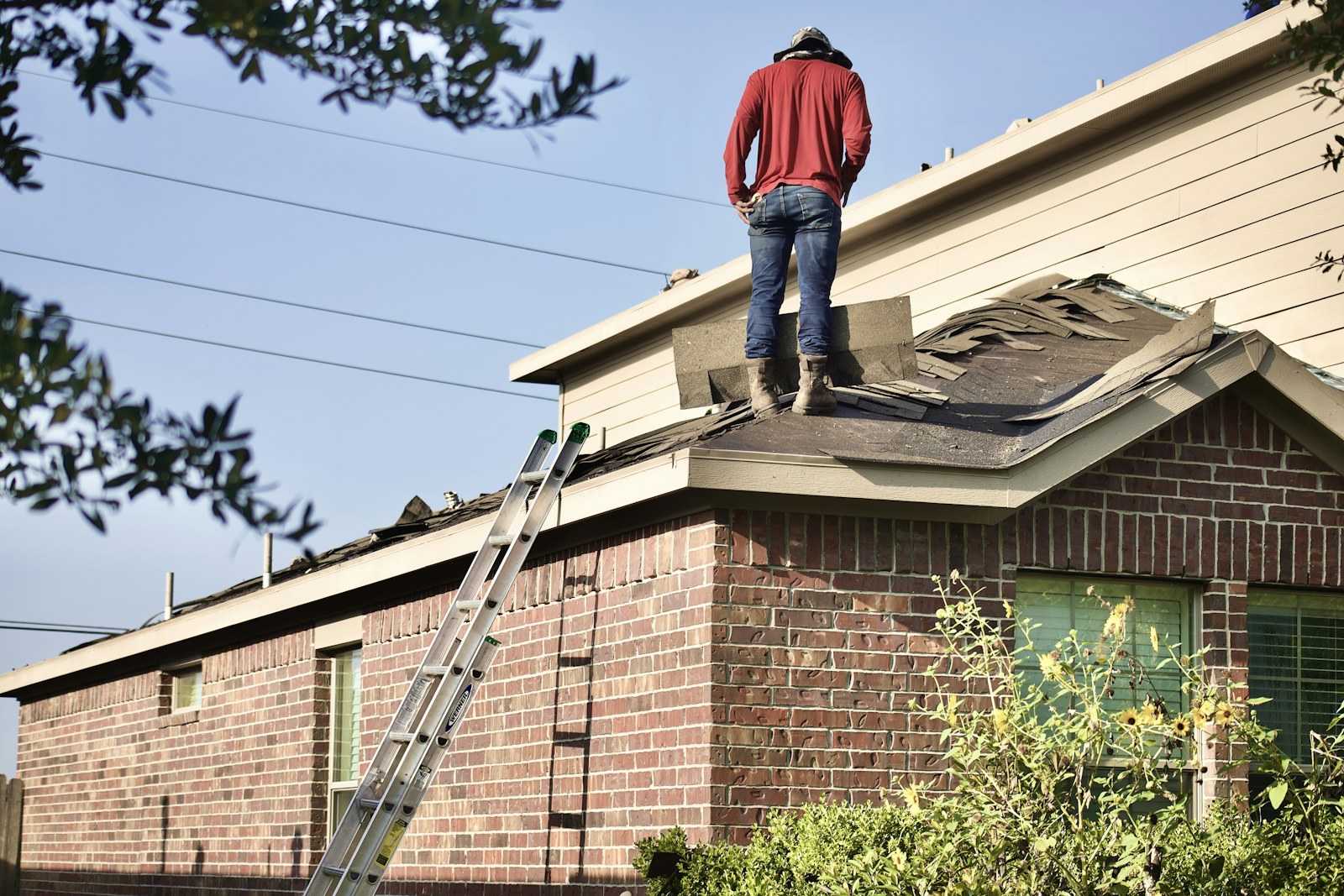
In Altadena, preparing for rain means looking uphill
By the end of summer, Elena had grown used to seeing the same layer of dust on everything outside her Altadena home. It settled on the patio furniture, softened the color of the driveway, and mixed with dry leaves and pine needles in the gutters. There was no water in sight. Still, she had begun thinking about rain.
Elena is a composite homeowner, but the setting is real. A home in north Altadena sits close enough to the San Gabriel Mountains that winter weather can feel different than it does a few miles south. After the Eaton Fire, rain near the burn area also carries a more serious possibility. In February 2026, the National Weather Service warned that intense rainfall over the Eaton burn scar could move mud, rock, vegetation, and other loose material through nearby drainages, roads, and residential areas.
That history was enough to make Elena pay attention when she started hearing about El Niño. It did not make her assume disaster was coming. It made her ask which problems she could reasonably handle while the roof was still dry.
El Niño is not one giant storm
The phrase “El Niño storm” makes it sound as if one enormous weather system is forming in the Pacific and moving toward Los Angeles. That is not what El Niño is. It is a climate pattern associated with unusually warm water in the tropical Pacific. That warming can change atmospheric circulation and influence where the jet stream—and the storms traveling with it—settles during winter.
NOAA’s July 2026 outlook said El Niño was expected to strengthen through the end of the year and had a 97 percent chance of continuing into early spring 2027. It also carried an 81 percent chance of becoming a very strong event during the fall. Those are unusually confident numbers about the climate pattern. They are not a promise that every Los Angeles neighborhood will receive exceptional rain.
Some strong El Niño winters have brought Southern California long stretches of wet weather. Others have not followed the expected pattern as neatly. El Niño changes the odds; it does not write the forecast for every storm. For Elena, that uncertainty was not a reason to panic or ignore it. It was a reason to prepare before everyone began calling for the same work at once.
The first preventable problem was above eye level
From the ground, Elena’s gutters did not look especially bad. A few leaves were visible above one downspout, but no plants were growing out of the channel and no section was hanging loose. Then she remembered the first heavy rain of the previous winter. Water had spilled over one corner beside the back door.
At the time, she blamed the intensity of the rain. But water repeatedly overflowing at one corner usually deserves a closer look. The outlet may be blocked, the downspout may be restricted, or the gutter may no longer slope properly toward it. Roof debris can also collect behind chimneys and inside valleys before the next rain carries it to the edge.
A roof gathers water from a much larger surface than most homeowners picture. When that water reaches a clogged gutter, it has to go somewhere. It may spill over the front, run behind the channel, soak the fascia, stain the siding, or collect near the foundation. Cleaning the gutter is not only about removing an unattractive pile of leaves. It is about reopening the path from the roof to the downspout and safely away from the house.
A clean gutter matters, but it is not flood protection
This distinction matters especially in a foothill community. A residential gutter system is designed to manage rain landing on the roof. It is not designed to stop water coming down a street, mud moving out of a canyon, or a debris flow descending from a burned hillside. No gutter cleaning company should suggest otherwise.
Fire can remove vegetation and change how water moves across the ground. A short burst of intense rain may then carry loose soil, rocks, branches, and burned material downhill with little warning. That larger risk requires information from the National Weather Service, Los Angeles County, and local emergency officials—not reassurance from a home-maintenance checklist.
Elena signed up for local emergency alerts and checked the official debris-flow information for the Eaton burn area. She learned the difference between a watch and a warning. Most importantly, she accepted that an evacuation order would outrank every attempt to protect the property. Gutters can reduce an ordinary maintenance risk. They cannot make a dangerous storm safe.
She followed the entire path the water would take
Once Elena stopped thinking of the gutter as an isolated piece of metal, the work became clearer. The roof needed to be checked for accumulated debris. The gutters and downspouts needed to be cleaned and tested. Water leaving each downspout needed an open path away from the foundation rather than another place to collect beside the house.
At ground level, she cleared leaves from the patio drains and looked for places where soil or stored belongings could block drainage. She arranged for loose branches to be evaluated before winter winds arrived. She photographed the exterior, reviewed her insurance documents, and moved irreplaceable items away from the lowest part of the home. In an officially identified hazard area, sandbags, barriers, or other measures should follow local agency guidance rather than a generic online checklist.
She also decided not to wait for rain to appear in the seven-day forecast. That is usually when everyone else starts calling, and a wet roof is not the place for hurried work. The safest time to inspect and clean a gutter system is before a storm arrives, not during the first hour of heavy rain.
Preparation is mostly ordinary work done early
Elena could not control whether Los Angeles would receive an unusually wet winter. She could not know which storm might become serious or how a burn scar would respond to a particular burst of rainfall. What she could do was remove the preventable problems and know where to find trustworthy information when the forecast became specific.
She could keep roof runoff moving through the system designed to carry it. She could make sure a small blockage did not become water pouring beside the house. She could keep vehicles away from flooded roads, follow official warnings, and leave when emergency officials told her to leave instead of trying to judge a dangerous situation from the front window.
There is something reassuring about that kind of preparation. It does not pretend every risk can be eliminated. It separates the things a homeowner can handle now from the things that require professional forecasts and emergency instructions later. The dust was still on Elena’s patio furniture when she finished making her list. The sky was clear and the gutters were dry. That was exactly why it was the right time to begin.
What to carry into your own quote request
- ✓El Niño is a Pacific climate pattern that can influence a season; it is not one approaching storm and does not guarantee heavy rain in every neighborhood.
- ✓Clean roof debris, gutters, outlets, and downspouts before rain enters the short-range forecast.
- ✓Check where downspouts discharge and keep safe, ground-level drainage paths clear.
- ✓Gutter cleaning manages roof runoff. It cannot protect a home from flash flooding or debris flows.
- ✓Residents near burn areas should use official hazard maps, alerts, and evacuation instructions for storm decisions.
Questions answered
Common questions about this topic
Will El Niño make Los Angeles rainy this winter?
El Niño can increase the likelihood of a wetter Southern California winter, but it does not guarantee above-normal rainfall in Los Angeles or determine the path of individual storms. Follow updated NOAA and National Weather Service outlooks as winter approaches.
When should Los Angeles homeowners clean their gutters?
Inspect and clean them before the rainy season and after major leaf drop. Homes beneath mature trees may need additional service based on how quickly debris returns. Do not wait until the roof is wet or a major storm is imminent.
Can clean gutters prevent flood damage?
They can reduce problems caused by roof runoff, including overflow near fascia, siding, and foundations. They cannot stop street flooding, hillside runoff, flash floods, or post-fire debris flows.
What should I do if my home is near a Los Angeles burn scar?
Check official Los Angeles County and National Weather Service hazard information, register for local alerts, prepare to follow evacuation instructions, and never enter moving water or a debris-flow path. Property maintenance is not a substitute for emergency guidance.
Should I climb up and clear a gutter before a storm?
Avoid climbing onto a wet roof or using a ladder in wind or rain. Schedule elevated work while conditions are dry and use a qualified professional when access, height, roof pitch, or power lines make the work unsafe.